

AI Avatars and Virtual Influencers: A Builder’s Guide



A brand can now post to a thousand audiences at once, in any language, with a face that never sleeps and never asks for a raise. That is the promise of AI avatars and virtual influencers. The catch: most people build them wrong, ship inconsistent output, and quit before the format pays off. This guide is the practical version. What these tools actually are, where they earn money, what breaks, and how to start without wasting a month.
What an AI avatar actually is
Strip away the hype and there are two distinct things people lump together.
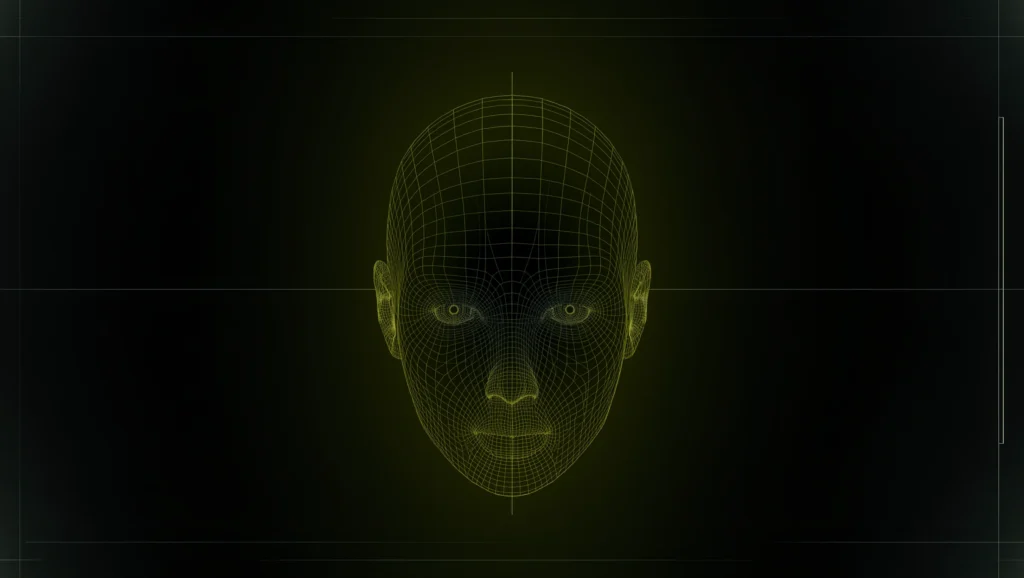
An AI avatar is a synthetic on-screen presenter. You feed it a script, it speaks in a chosen voice, and it renders a talking face. Useful for tutorials, product explainers, localized ads, and internal training. The persona is a delivery mechanism.
A virtual influencer is a full fictional character with a name, a backstory, a visual identity, and an ongoing feed. It behaves like a creator: it posts, it has opinions, it builds an audience over time. The persona is the product.
The mistake is treating them the same. An avatar needs a clean pipeline. A virtual influencer needs a character bible. Decide which one you are building before you generate a single frame.
Where they actually make money
Novelty is not a business model. These are the use cases that hold up.
- Localized content at scale. One script, one face, ten languages. A single avatar can front your entire international content calendar without ten separate shoots.
- Always-on top of funnel. A virtual influencer posts daily without booking a studio. For brands that live on Reels, Shorts, and TikTok, that cadence is the whole game.
- Product explainers and demos. Software, courses, and services need a lot of short talking-head content. An avatar produces it in minutes instead of days.
- Sponsored placements. An established virtual influencer with a real audience monetizes exactly like a human creator: paid posts, affiliate links, brand deals.
Notice the pattern. The wins come from volume and speed, not from fooling anyone. The best-performing avatars are the ones the audience knows are synthetic and follows anyway.
Consistency is the whole job
The single hardest problem in this space is not making one good image. It is making the two-hundredth image look like the same character as the first.
Audiences recognize faces at a glance. If your influencer’s jawline, eye spacing, or skin tone drifts between posts, the illusion of a real persona collapses and the feed reads as a pile of random renders. That is the difference between a following and a folder of pictures.
The fix is discipline, not a better model:
- Lock a reference. Pick a canonical face and generate every new asset against it, not from a fresh text prompt each time.
- Fix the variables. Standardize lighting, camera angle, framing, and color grade. Treat them like brand assets, because they are.
- Write a character bible. Age, style, palette, voice, recurring settings, things the character would never say. Everyone who touches the account works from the same document.
Get this right and cheap tools look expensive. Get it wrong and expensive tools look cheap.
Voice and motion, not just a pretty still
A frozen portrait does not build a following. The formats that convert are video and audio, and both add their own failure modes.
Voice has to match the character. A polished corporate voiceover on a scrappy street-style persona feels off, and audiences feel it before they can name it. Pick a voice that fits the backstory and keep it identical across every post. Switching voices mid-feed breaks recognition as badly as switching faces.
Motion is where synthetic content still gives itself away. Stiff blinking, a mouth that lags the audio, hands that melt. Keep early clips short. Favor tight framing over full-body shots. Cut before the artifacts show. A clean seven-second clip beats a shaky thirty-second one every time.
Disclosure, rights, and the lines you do not cross
This is the part people skip and later regret.
Disclose that it is synthetic. Platforms increasingly require labels on AI-generated media, and audiences reward honesty. A virtual influencer that is upfront about being virtual keeps trust. One that pretends to be a real human is one screenshot away from a backlash.
Never clone a real person without consent. Building an avatar from someone’s face or voice without permission is a legal and reputational landmine. Use fully synthetic identities or people who have explicitly agreed.
Own your assets. Keep the reference images, the voice profile, and the character bible in your control. If your entire persona lives inside one vendor’s account, you do not own your influencer. You rent it.
A workflow that actually ships
Most projects die in the gap between “cool demo” and “consistent weekly output.” Here is the loop that survives contact with a real content calendar.
- Define the persona first. Name, backstory, look, voice, and the three topics they own. One page. Before any generation.
- Build the reference kit. A locked canonical face plus a fixed set of angles and lighting setups. This is your source of truth.
- Batch production. Generate a week or a month of assets in one session against the reference. Batching keeps the look uniform far better than one-off posts.
- Human review. A person checks every asset for drift, artifacts, and off-brand moments before it goes out. This step is non-negotiable.
- Measure and prune. Track which formats and topics land, and cut the rest. Treat the persona like a product with a roadmap.
The teams that win are not the ones with the fanciest generator. They are the ones with a repeatable pipeline and someone who says no to the bad frames.
Getting started
Pick one lane. If you need localized explainers and demos, build an avatar and invest in a clean pipeline. If you want an owned media channel, build a virtual influencer and invest in the character. Do not try to do both with one persona.
Start small. One character, one platform, one posting cadence you can actually sustain for ninety days. Lock the reference, fix the variables, and let consistency compound. The format rewards patience, not spend.
If you want a deeper look at the creative side, our guide to keeping AI image generation on-brand covers the reference-locking workflow in detail, and our piece on AI video for content marketing gets into motion and format. When you are ready to turn a persona into an actual content engine, our team builds these pipelines end to end. Come talk through your use case in our Telegram community.

Related articles
Learn how to use AI for lead generation the practical way: sourcing, scoring, enrichment, and outreach that fills your pipeline without burning…
A practical playbook for AI in ecommerce: product data, search, personalization, support, forecasting, and ad creative. What to automate first and how…

Learn how to build an AI content workflow that ships consistent, on-brand output. Stages, human checkpoints, and reference docs that turn prompts…


