

Retargeting: How to Win Back Your Audience


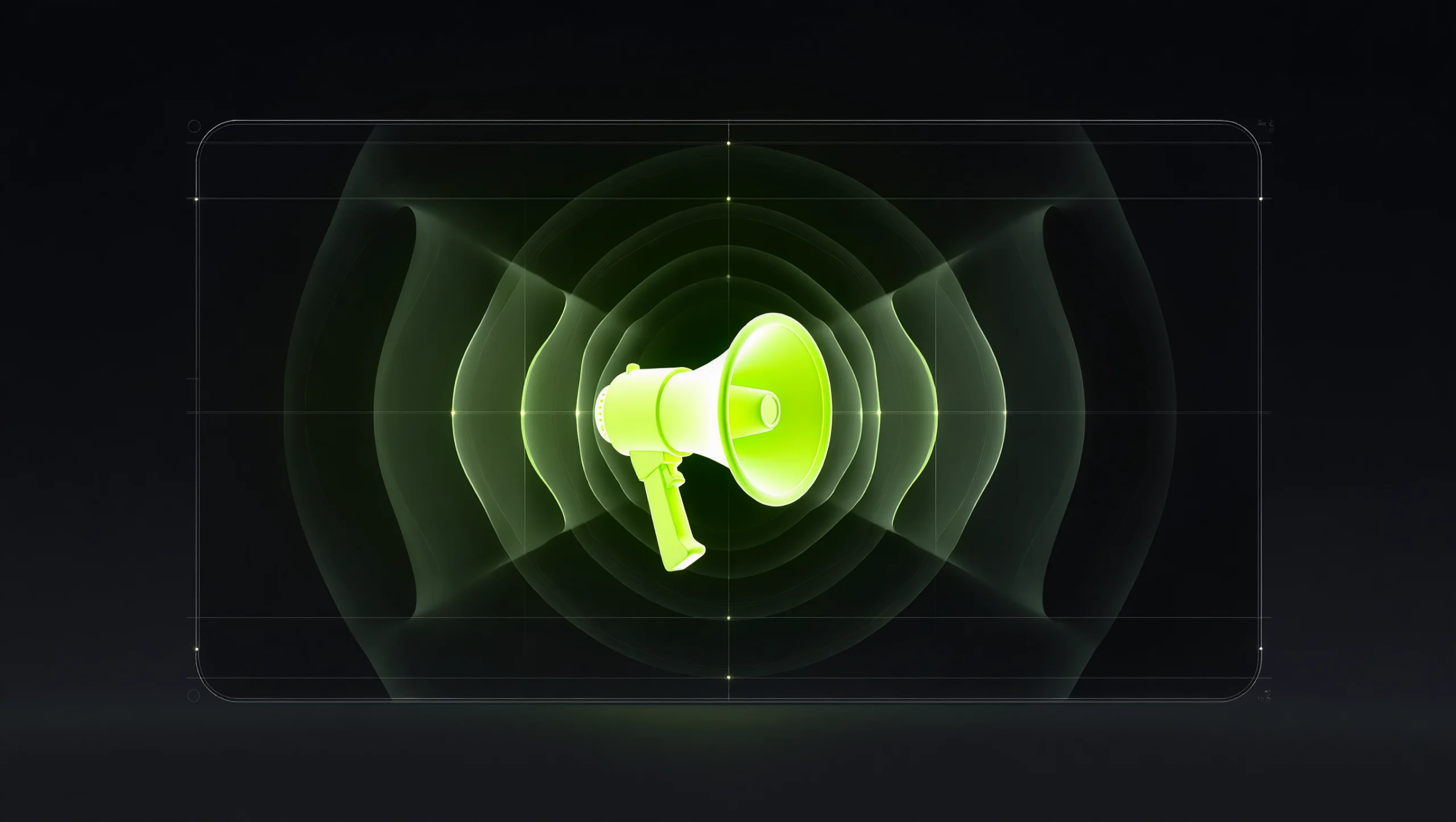
Most of your traffic leaves and never comes back. That is not a failure. That is a second chance.
People rarely buy on the first visit. They read, they compare, they get distracted, they close the tab. Retargeting is how you follow up. It puts your message back in front of people who already showed interest, at the moment they are most likely to act. Done right, it is the cheapest converting channel you have. Done wrong, it is a creepy ad that follows people around and burns money.
This guide covers what retargeting actually does, how to segment your warm audience, and how to build sequences that win people back instead of annoying them.
Why cold traffic almost never converts on the first touch
Think about your own behavior. You land on a product page, you glance at it, you leave. You were not ready. Maybe the price felt high. Maybe you wanted to check a competitor. Maybe your coffee got cold.
The visitor who bounced is not a dead lead. They are a warm lead who ran out of momentum. Cold traffic has to be convinced from zero. A returning visitor already knows who you are. That single difference changes the math. You are no longer paying to introduce yourself. You are paying to remind and close.
Retargeting works because it targets intent, not guesses. These people raised their hand. Your job is to give them a reason to come back and finish.
Segment your warm audience or waste your budget
The biggest retargeting mistake is treating everyone the same. A person who visited your homepage once is not the same as someone who added to cart and left. Show them the same ad and you insult one and lose the other.
Split your audience by depth of intent. A few useful segments:
- Page visitors: saw a blog post or landing page but did not engage further. Low intent. Remind them you exist.
- Product viewers: looked at a specific offer or pricing page. Medium intent. Address objections.
- Cart or form abandoners: started the action and stopped. High intent. Remove the last bit of friction.
- Past customers: already bought. Do not sell them the same thing. Cross-sell or bring them back for the next step.
Each segment needs its own message. The abandoner needs reassurance and maybe an incentive. The casual visitor needs a hook. Matching the message to the moment is the whole game.
Match the message to where they dropped off
Retargeting copy is not brand awareness copy. The person already knows your name. Repeating your slogan wastes the slot. Instead, answer the question that made them leave.
If they bounced from a pricing page, the objection was probably cost or value. Speak to that. Show the outcome, not the number. If they abandoned a signup, the friction was probably effort or doubt. Show how fast it is. Show proof it works.
Keep the ad specific. Reference what they looked at. A generic “come back” gets ignored. A message that speaks to their exact hesitation feels like you read their mind. That is the difference between a wasted impression and a click. If you want a deeper breakdown of writing copy that converts, we covered it in our guide to landing page copywriting.
Build a sequence, not a single ad
One ad shown fifty times is annoying. A sequence of different ads shown a few times each feels like a conversation. Plan your retargeting as a series that moves people forward.
A simple structure that works:
- Reminder: the first touch. Bring them back with the offer they already saw.
- Objection handler: address the likely reason they hesitated. Answer the doubt directly.
- Proof: show results, testimonials, or a concrete outcome. Reduce the perceived risk.
- Incentive or urgency: the final nudge. A deadline, a bonus, or a reason to act now instead of later.
Space these out. Rotate the creative. When someone converts, remove them from the sequence immediately. There is nothing worse than paying to advertise a product to someone who already bought it.
Set frequency caps and know when to stop
Retargeting has a dark side. Show the same ad too often and you cross from helpful to invasive. People start to resent the brand. The ad that was supposed to bring them back pushes them away.
Use frequency caps. Limit how many times a single person sees your ads in a given window. Set an exclusion window so people who converted stop seeing the campaign. And set a hard cutoff. If someone has seen your sequence for a month and has not acted, they are not coming back. Move that budget to fresh audiences.
Retargeting is a follow-up, not a stalking campaign. Respect the line and it stays profitable.
Combine retargeting with email for a full loop
Ads are not the only way to win people back. If a visitor gave you their email, you have a direct channel that costs nothing per send. The strongest win-back systems run ads and email together.
The ad keeps you visible while they browse elsewhere. The email lands in their inbox with a longer, more personal message. One reinforces the other. A cart abandoner who gets a well-timed email and sees a matching ad is far more likely to return than one who gets either alone. We go deeper on sequences in our piece on email nurture sequences.
Getting started
Start small. Pick your highest-intent segment, usually cart or form abandoners, and build one short sequence for them. Get that working before you expand to lower-intent audiences. Set your frequency caps from day one so you never train customers to tune you out.
Retargeting is not magic. It is disciplined follow-up. The visitors already showed interest. You are just making sure that interest does not go to waste.
If you want help building a retargeting system that brings your audience back without burning your budget, message our team on Telegram. We will help you map the segments, the sequences, and the numbers.

Related articles
Conversational marketing basics explained: what it is, why it converts faster than forms, and how to launch your first chat funnel without…
A practical guide to AI for marketers: real uses for copy, research, funnels, and personalization, plus the quality gate that keeps output…

Learn where websites lose conversions and how to fix them. A practical guide to usability and CRO: clarity, friction, hierarchy, CTAs, trust,…


Any questions?




Bank transfer for companies and sole traders. The software is delivered as an online service and requires no installation on the user side.


